
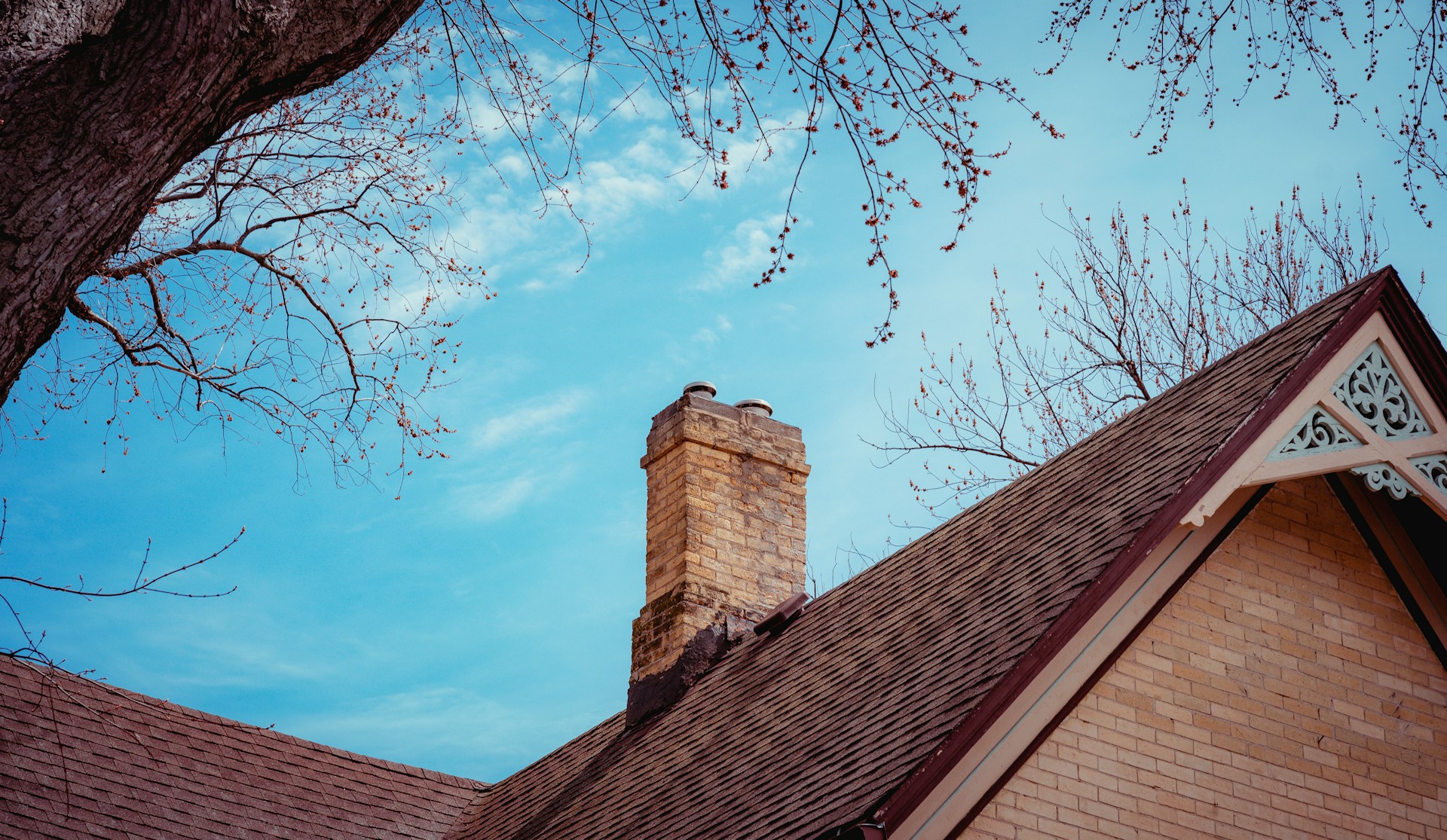
Most people think about chimney maintenance in the context of wood fireplaces, but if you heat your home with oil, your chimney plays an equally important role. The flue connected to your oil-fired furnace or boiler carries combustion gases out of the house. When it’s blocked, deteriorating, or improperly drafting, you have a safety problem, not just an efficiency problem.
October is an ideal time to deal with this before the heating system is running full-time.
What the Chimney Actually Does for an Oil System
When your oil burner fires, it creates combustion byproducts that include carbon dioxide, water vapor, and carbon monoxide. The flue creates a draft that draws these gases up and out of the home. If the draft is interrupted or insufficient, those gases can back-draft into the living space. Carbon monoxide in particular is colorless and odorless, which is why it’s called the silent killer. A properly functioning flue is a critical safety system, not just a pipe.
Common Chimney Problems in Older New England Homes
Homes throughout Rhode Island and Massachusetts were built across very different eras, and the chimney situation varies widely. Older masonry chimneys can develop cracks in the flue liner, spalling brick that allows cold outdoor air to enter and disrupt draft, and mortar joints that have deteriorated over decades. Chimney caps (the covers at the top that keep rain and animals out) can rust out or blow off, leaving the flue exposed.
Oil burners also produce a small amount of soot over time, and while oil systems produce significantly less creosote than wood fires, the flue can still accumulate deposits that restrict airflow if it’s never been cleaned.
Annual Inspection Is Not Optional
The National Fire Protection Association (NFPA) recommends annual inspection of all heating system flues. This isn’t bureaucratic box-checking. A chimney inspection catches deteriorating liner sections, blockages from debris or bird nests, and draft problems before they become dangerous. In some cases, a flue that looks fine from the exterior has significant interior problems that only show up with a proper inspection.
What a Chimney Inspection Covers
A basic inspection looks at the exterior of the chimney for obvious damage, the condition of the flue liner, the chimney cap, the flashing where the chimney meets the roof (a common source of water infiltration), and the connections from the heating equipment to the flue. Draft testing confirms that combustion gases are properly venting. If problems are found, cleaning or lining the chimney may be recommended.
Carbon Monoxide Detectors Are Not a Substitute
Every home with a fossil-fuel heating system should have working carbon monoxide detectors on every level. They’re an important last line of defense. But they’re not a reason to skip chimney maintenance. Detectors alarm when CO reaches a certain concentration, but by that point you already have a significant problem. The goal is to prevent the CO from entering the home in the first place through a properly maintained flue system.
McKee Brothers offers chimney inspection and cleaning as part of our full service offerings. If it’s been more than a year since your flue was inspected, or if you’re not sure when it was last looked at, give us a call at 401-723-1100 and we’ll take care of it before winter arrives.